A reverse mortgage lets BC homeowners 55 and over borrow against their home without having to make regular monthly payments on most products. You keep title and keep living there. The loan, plus the interest that builds on it, is repaid later, usually when the home is sold, the last borrower moves out for good or passes away, or the loan goes into default.
It can be a solid tool for the right situation. It also has real costs, and it is not right for everyone. This guide walks through how it works in BC, what it costs, who it fits, and when something else is the smarter move.
Who qualifies for a reverse mortgage in BC
- Age. Every owner on title must be 55 or older. Everyone on title applies together.
- Your main home. It has to be your primary residence. Cottages and second homes usually do not qualify.
- Location. Lenders lend in cities and larger towns. Some smaller communities may not qualify, so we check this first.
- Home value. Lenders usually set a minimum, commonly around $250,000, and the lender decides after a valuation.
- Upkeep. You need to be able to keep paying property taxes and home insurance and keep the home in good repair.
Income and credit matter much less than they do for a regular mortgage or a HELOC. That is a big reason people on a fixed retirement income look at reverse mortgages.
How much can you borrow?
Never the full value of your home. In Canada you can usually borrow up to 55% of your home's value, and the actual percentage depends mostly on the age of the youngest borrower. The older you are, the more a lender may advance. Location, home type and the lender's own rules matter too.
| Youngest borrower | Single borrower | Couple |
|---|---|---|
| Age 60 | $300,000 to $350,000 | $267,000 to $319,000 |
| Age 65 | $350,000 to $400,000 | $317,000 to $369,000 |
| Age 70 | $390,000 to $440,000 | $357,000 to $409,000 |
| Age 75 | $430,000 to $480,000 | $397,000 to $449,000 |
| Age 80 | $470,000 to $520,000 | $437,000 to $489,000 |
Illustrative gross amounts for a $1,000,000 house in the Vancouver, Victoria or Kelowna area, from our calculator. Single borrower figures are for a man; amounts for women are usually slightly lower. Not a quote. Any existing mortgage is paid out first, so your cash in hand is less.
How it works, in five steps
- Apply. You share your age, your home details and any mortgage you still owe.
- Valuation. The lender values your home, sometimes with a full appraisal.
- The offer. It shows the most you may borrow, the rate, the fees and how you can take the money.
- Legal advice and funding. A lawyer who works for you explains the paperwork. Any existing mortgage is paid out and you receive what is left.
- Live in your home. Interest builds on what you borrowed until the loan is repaid.
You can usually take the money as a lump sum, in later draws as you need it, or as regular monthly advances. Some products let you combine them. Borrowing smaller amounts later usually costs less, because every dollar you borrow today starts building interest today.
What it costs
Reverse mortgage rates are typically higher than regular mortgage rates. You can expect a lender or set up fee, an appraisal, independent legal advice, and title and registration costs. Prepayment charges often apply if you repay in the first few years. And interest compounds for as long as the loan runs.
$300,000 borrowed at once at 7%, compounded twice a year, with nothing paid back, grows to about $423,000 after 5 years, $597,000 after 10 years and $842,000 after 15 years. That is why the amount you borrow, and when, matters so much. Rates and home prices change, so your numbers will differ.
Your side of the deal
You can stay in your home as long as you keep the loan in good standing: pay your property taxes, keep the home insured, keep it in good repair, keep living there as your main home, and follow the loan terms. If those slip, the loan can go into default and the lender can require it to be repaid. You also usually cannot add another mortgage behind a reverse mortgage.
If a spouse is not on the loan
This is the one to watch. If a spouse is not a borrower on the loan, it can come due when the borrowing spouse dies or moves out, even if the other spouse still lives in the home. Ask exactly how each lender handles this, in writing, before anyone signs.
Some lenders include a no negative equity feature, which limits what you or your estate owe to the home's fair market value when the loan comes due, as long as you met your obligations. Conditions differ by lender and some fees and interest after the due date may not be covered.
Who it fits, and who should skip it
| Often worth a look if | Probably not a fit if |
|---|---|
| You want to stay in your home, cash flow is tight, and payments on a mortgage, line of credit or cards are squeezing a fixed income. | You plan to sell within a few years. Fees and prepayment charges can outweigh the benefit. |
| Big costs are coming: repairs, accessibility changes, in-home care. | You cannot keep up with property taxes, insurance and repairs. |
| You want to help family now, and you have talked to them. | A cheaper tool, like a HELOC or downsizing, would do the job. |
The honest test: if a cheaper tool solves the problem, use that one. Compare it with a HELOC, BC's property tax deferment program, renting a suite, or downsizing.
Lenders in BC
A small number of lenders offer reverse mortgages in BC, including HomeEquity Bank (the CHIP Reverse Mortgage), Equitable Bank and Bloom (see the lender comparison). Their maximum amounts, rates, fees, prepayment charges and repayment rules all differ. As a broker, not a lender, I compare the options from the lenders I am set up with and put every cost in writing. My pay comes from the lender if a loan funds, and I show you the amount in writing before you decide.
Common situations
Reverse mortgages by BC city
Questions people ask
Do I still own my home with a reverse mortgage?
Yes. You keep title. It is a loan secured against your home, not a sale, and you stay responsible for property taxes, insurance and upkeep.
Do I have to make monthly payments?
Not on most products. Interest is added to the balance instead. Many products let you make optional payments, which slows the growth of the balance.
Is the money taxable?
Lenders generally treat it as borrowed money, not income. How it affects your own taxes or benefits depends on your situation, so confirm with your tax advisor.
Will my kids lose the house?
Not automatically. When the loan comes due, your family can repay it and keep the home, or sell it, repay the lender, and the remaining equity goes to the estate.
Can I have a mortgage already?
Yes. A reverse mortgage usually pays out your existing mortgage first, and you receive what is left, subject to approval.
About the author
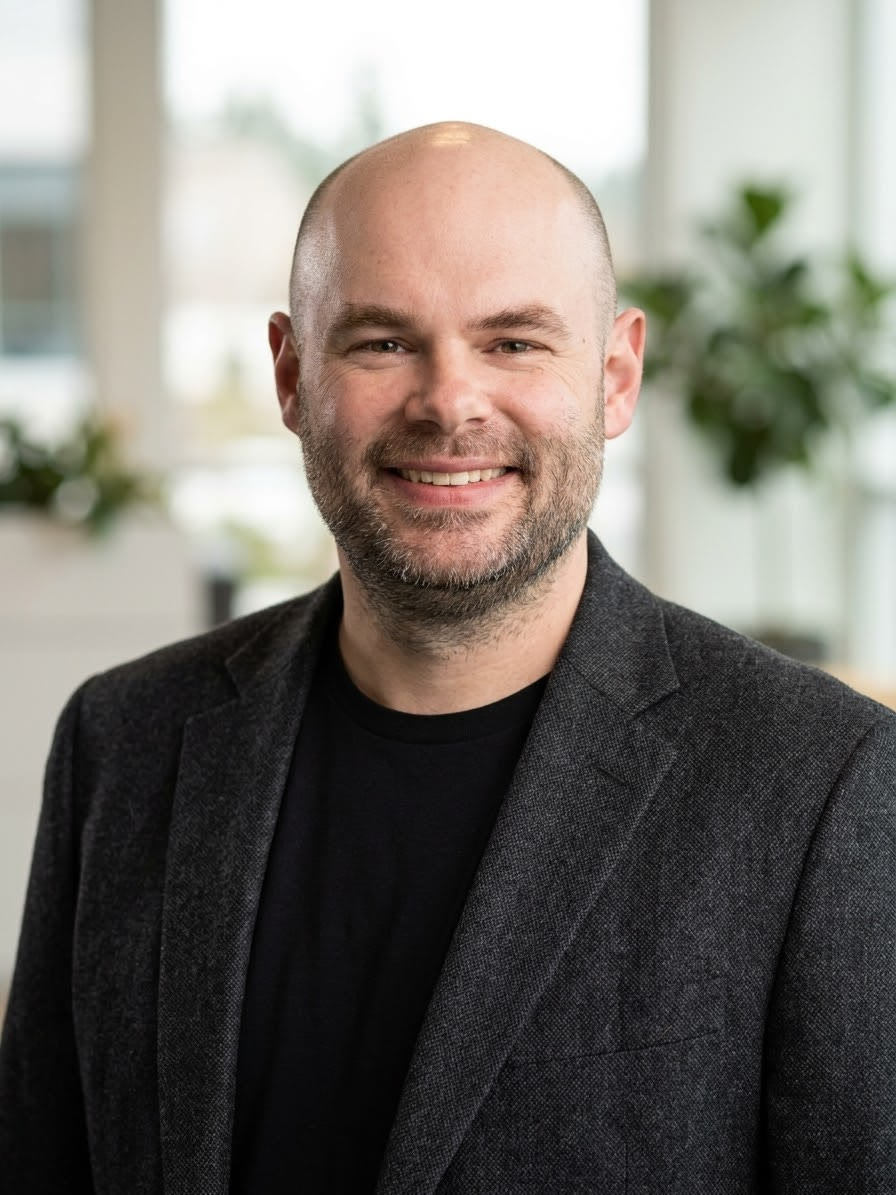
Matt Blake is a licensed mortgage broker in British Columbia with BRX Mortgage Inc. He helps homeowners 55 and over, and their families, compare reverse mortgages with HELOCs, selling and downsizing, and he will tell you straight when a reverse mortgage is the wrong move.
Licence MB600487 · BRX Mortgage Inc., brokerage licence X301291 · Last reviewed October 2026
Want your own numbers?
Get a free BC Equity Report built for your home and your age. It is an estimate, not a lender quote, and there is no obligation.